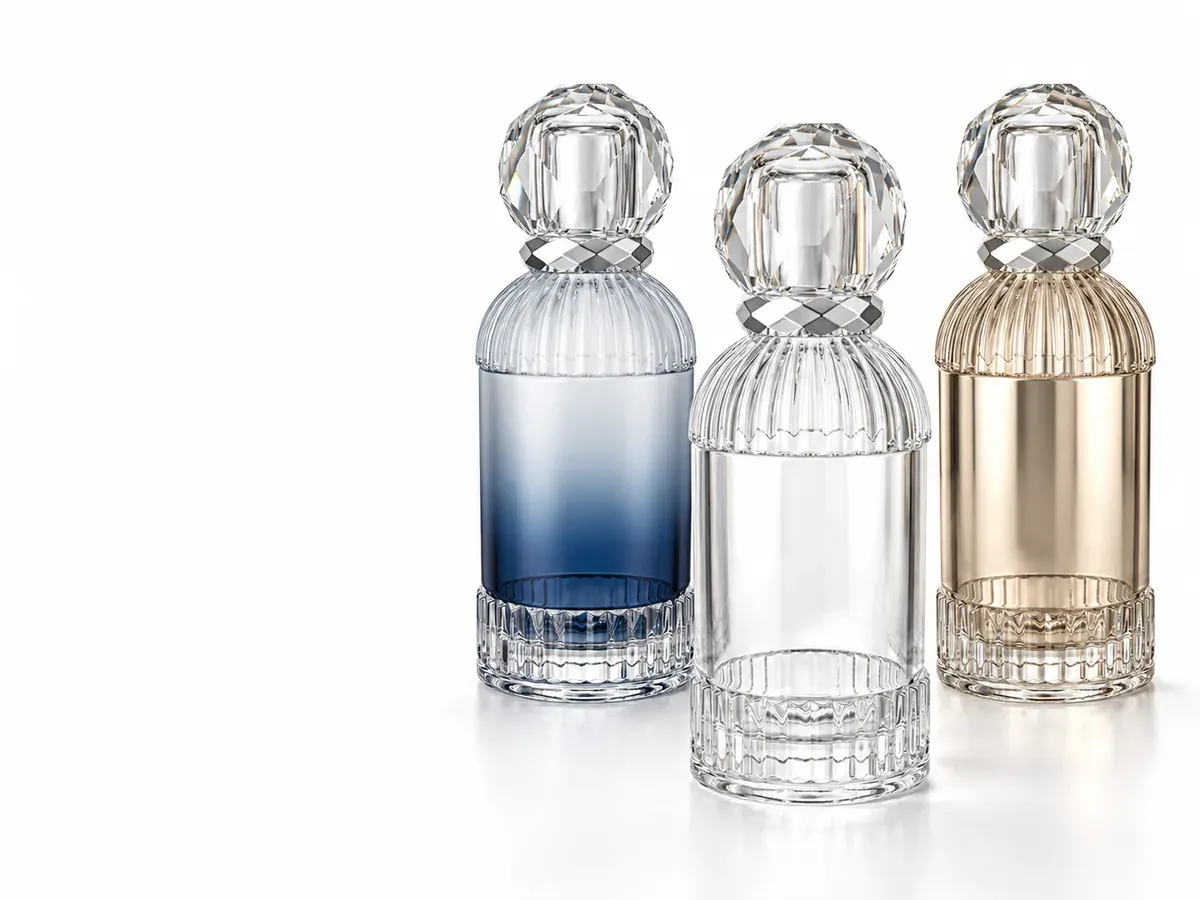
Sep 15, 2026Buyer Decision
30ml vs 50ml vs 100ml Perfume Bottles: Choosing a Launch Size
Capacity affects cost, shelf presence and how buyers sample. A practical way to choose between 30ml, 50ml and 100ml.
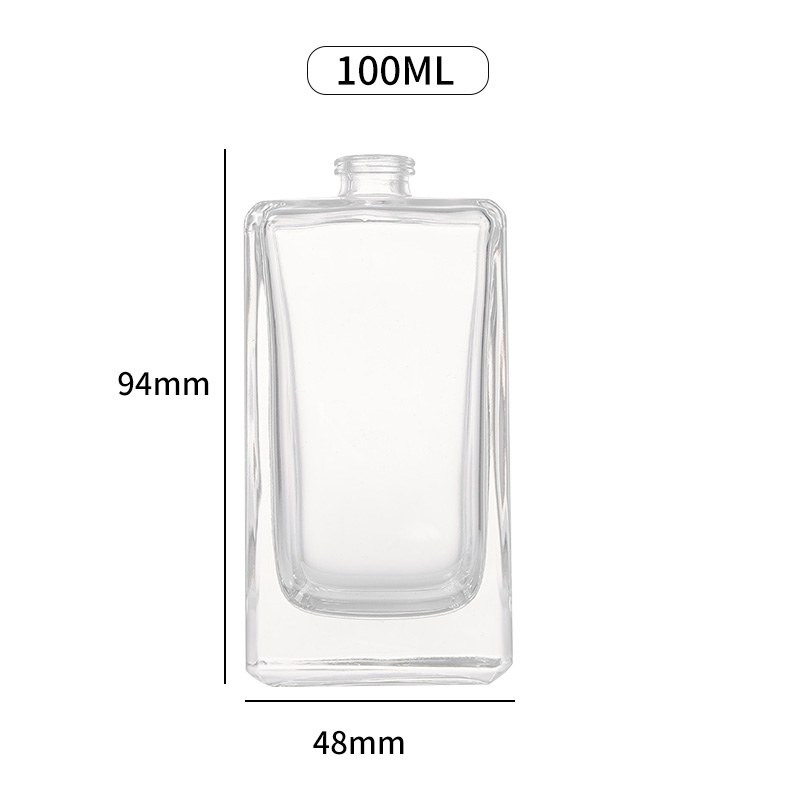
Most fragrance ranges settle on 30 ml, 50 ml and 100 ml as their core sizes. Each size does a different job, and many brands launch with two of the three rather than all of them.
30 ml: the trial size
A 30 ml bottle is the entry point. It lowers the cost of a first purchase and works well for sampling, travel formats and discovery sets. Its main constraint is shelf presence: at 30 ml the bottle is small, so the shape and the cap carry more of the visual weight.
50 ml: the volume seller
50 ml is often the middle of a range and the size most buyers choose when they already know the scent. It balances a visible shelf presence against a price point that still feels accessible.
100 ml: the statement size
A 100 ml bottle is a commitment. It suits established fragrances and gifting, and it gives decoration and cap design the most surface to work with. It also raises the unit cost and the shipping weight, so it usually appears after a range has proven itself.
A practical way to choose
Check whether the same silhouette is available across the capacities you want, so the range reads as one family. Where a bottle family shares a constant width across sizes, the range looks consistent on a shelf even as the height changes. Confirm dimensions per size rather than assuming they scale evenly.