Sep 15, 2026Customization
Perfume Bottle Decoration Guide: Frosting, Coating, Printing and More
An overview of the decoration methods commonly applied to perfume bottles, and how each one changes the look and the minimum order.
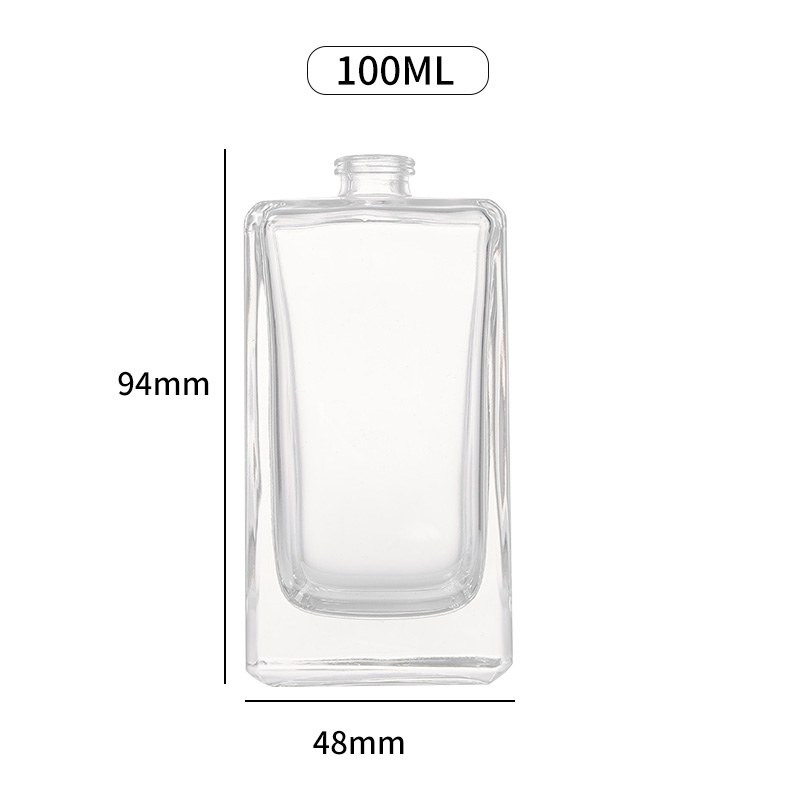
Decoration is what turns a standard bottle into a brand object. The methods below are the ones most often applied to glass perfume bottles. Each has a different visual result and a different effect on minimum order quantity.
Colour coating
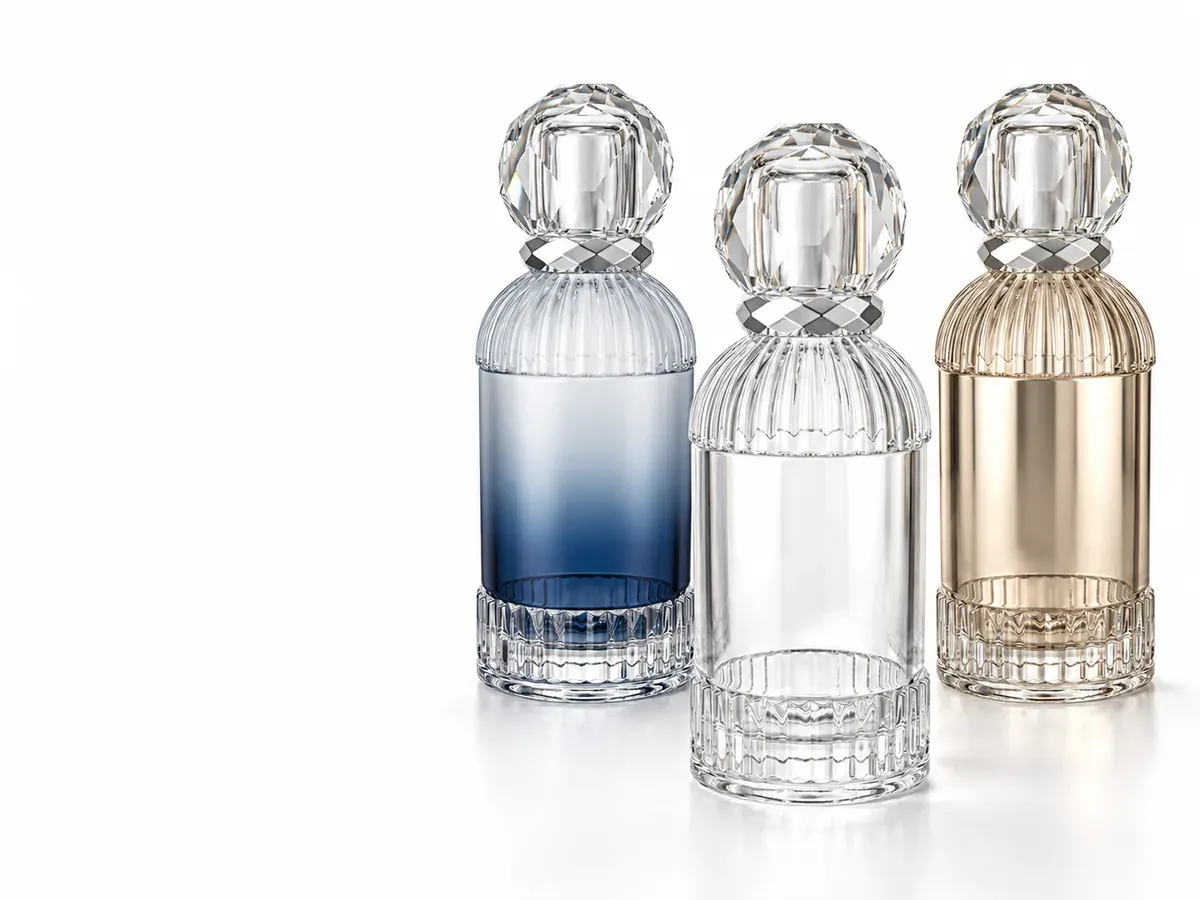
A colour coating covers the glass with a solid or translucent colour. It reads as a fully coloured bottle and gives strong shelf presence. It is usually an early step, because later decoration sits on top of the coating.
Frosting
Frosting etches the surface to a matte finish. It softens the look of clear glass and gives decoration something to grip visually. It is often used where a brand wants a premium but understated result.
Silkscreen printing
Silkscreen applies ink directly to the surface through a mesh. It suits solid logos and text, and it is the most common way to put a brand mark on a bottle. Multiple colours mean multiple passes.
Hot stamping
Hot stamping presses a foil onto the surface, most often metallic. Because the collar and cap are small and highly visible, hot stamping is frequently used on the cap rather than the bottle. It gives a crisp metallic mark on a curved or angled surface.
Decal and metallic effects
Decals apply a printed film that can carry finer detail than silkscreen. Metallised and gradient effects change the surface rather than adding a mark, and are used when the bottle itself should read as the decoration.
How decoration affects MOQ
Final MOQ is confirmed once bottle, component and decoration specifications are aligned.
Each decoration step adds setup, so decoration depth drives the minimum order more than the bottle does. A plain stock bottle has the lowest threshold; adding colour, a logo and a custom cap raises it in steps.